Company introduction

  • USELL, headquartered in British Columbia, Canada
  • Brings together a group of excellent talents with rich experience and active innovation
  • Dedicated to the research, development, and production of fluid valve products, we provide supporting technical solutions

USELL, headquartered in British Columbia, Canada, is a service-oriented enterprise co-founded by a group of professionals with years of industry experience. It possesses profound technical expertise in the field of fluid control.

Our technical service team has long been dedicated to multiple high-end industrial fields, including power generation, microelectronics manufacturing, high-purity chemical production, petrochemicals, biopharmaceuticals, as well as the food and beverage industry. Regardless of your industry, we deeply understand the crucial role of fluid valves in product processes and system operations. Therefore, we closely focus on your specific needs and tailor-make the most suitable fluid valve products and supporting technical solutions for you, helping you enhance system efficiency and ensure production safety.

We always adhere to the principle of listening first - earnestly understanding your actual working conditions, technical difficulties, and usage habits. Based on this, we propose a variety of feasible and high-quality product options for you to make your own judgment and choice. We advocate a transparent and open spirit of collaboration, and establish long-term mutual trust with customers with a sincere and professional attitude. More importantly, we advocate the concept of "cooperation and sharing", viewing every project as an opportunity for mutual growth, and working together with customers to discover and create shared value.

Creating Shared Value --- Creating and sharing value with you.
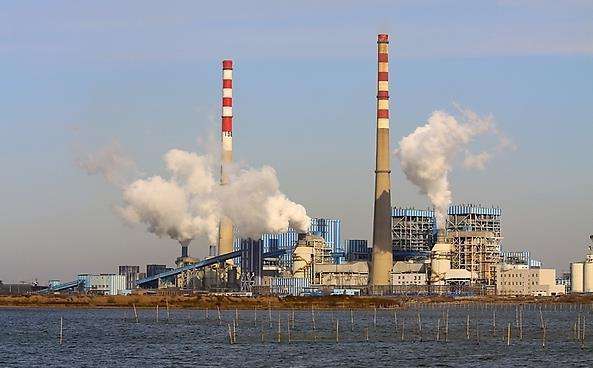

Electricity and energy

an image

Electricity and energy

1.1 Ultra-supercritical thermal power

Valve requirements: high-temperature and high-pressure valves (globe valves, gate valves, regulating valves, safety valves) on the main steam and reheat steam pipelines.

Technical challenges: Withstand high temperatures ranging from 620 to 650℃ and pressures exceeding 35MPa, while preventing creep and thermal fatigue.

Typical applications: main steam isolation at boiler outlet, temperature and pressure reduction in turbine bypass, and minimum flow regulation of feedwater pump.


1.2 Solar thermal power generation (molten salt tower/trough)

Valve requirements: molten salt globe valve, molten salt regulating valve, molten salt check valve, molten salt safety valve.

Technical challenges: addressing the corrosiveness of molten salt at 565℃, low-temperature solidification (melting point around 220℃), and thermal stress due to large temperature differences.

Typical applications: Inlet and outlet of cold/hot molten salt storage tanks, circulation pipelines of heat absorbers, and shut-off valves on the molten salt side of steam generators.


1.3 Compressed Air Energy Storage (CAES)

Valve requirements: large-diameter (DN800 and above) electric/pneumatic ball valves, butterfly valves, and regulating valves.

Technical challenges: rapid opening and closing of high-pressure air (10-20MPa), sealing reliability, and fatigue life.

Typical applications: gas storage inlet and outlet, expander front regulation, compressor interstage cutoff.


1.4 Nuclear power plant (conventional island + nuclear island auxiliary)

Valve requirements: nuclear-grade safety valves, gate valves, globe valves, and instrument valves.

Technical challenges: seismic resistance (SSE level), radiation resistance, and zero leakage sealing (ASME Class III).

Typical applications: main steam isolation, containment spray system, chemical and volume control system.


1.5 Gas-Steam Combined Cycle (GTCC)

Valve requirements: bypass valve, temperature and pressure reducing valve, gas shut-off valve.

Technical challenges: rapid response (second-level), high-frequency actions, and high-temperature gas sealing.

Typical applications: high-pressure bypass of waste heat boilers, emergency shut-off of fuel pipelines.


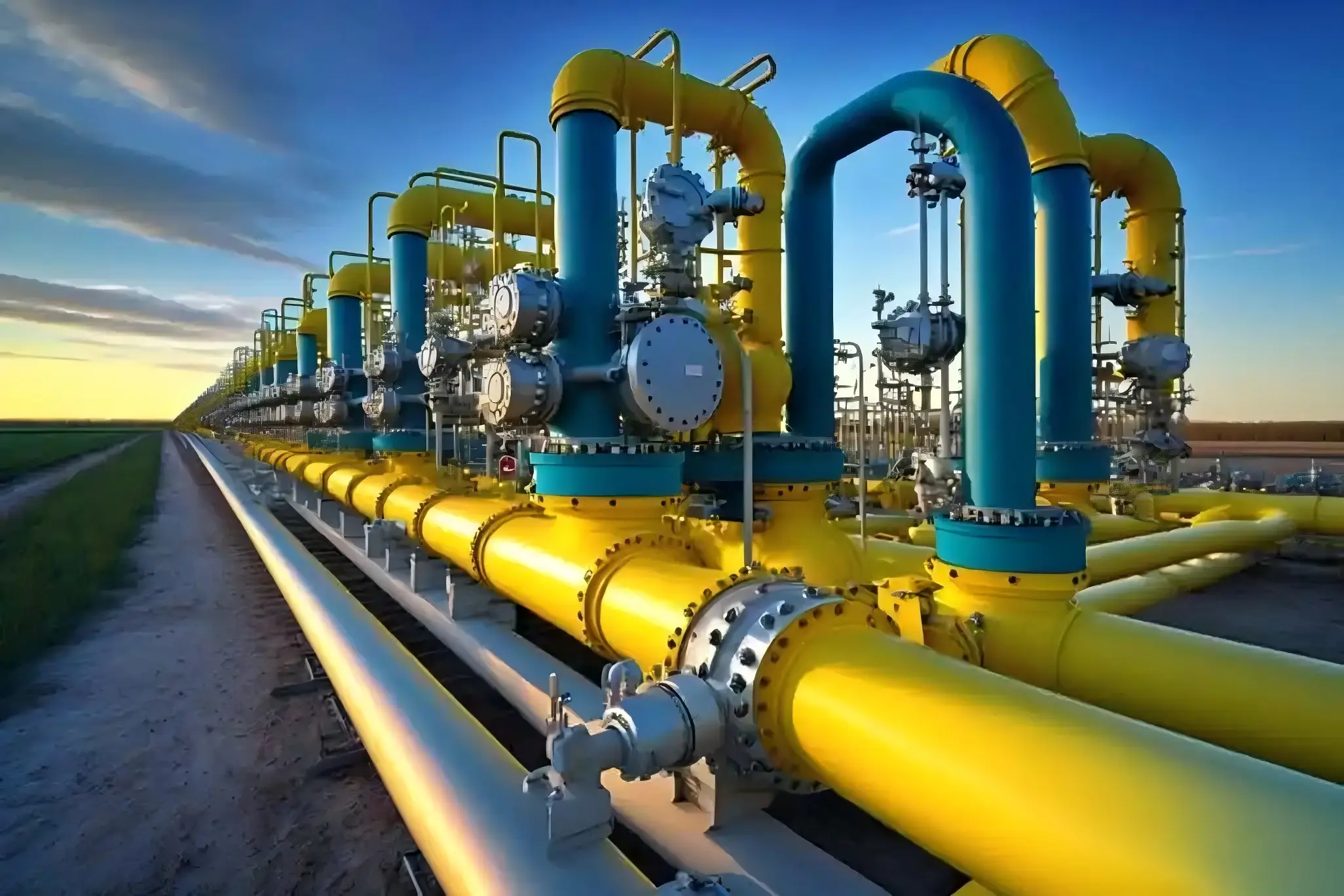
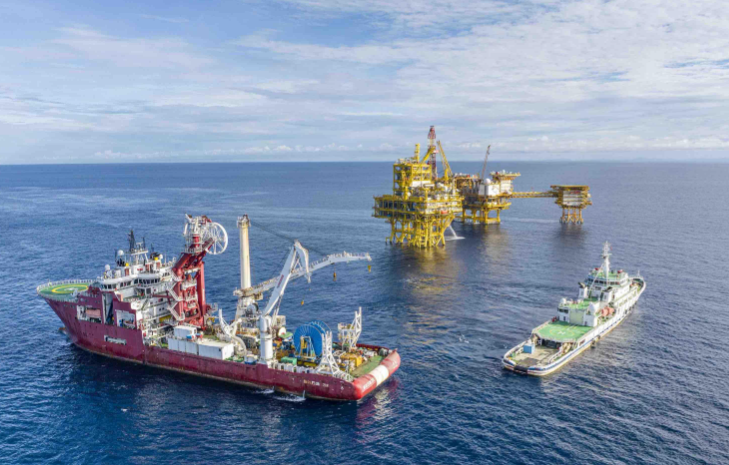
Oil and natural gas

an image

Oil and natural gas

2.1 Onshore oil and gas extraction (wellhead and gathering)

Valve requirements: Christmas tree valves (gate valves, needle valves), throttle valves, emergency shut-off valves.

Technical challenges: resistance to sulfide stress corrosion cracking (SSCC) in high-sulfur (H₂S) environments, and high pressure (70-140MPa).

Typical applications: wellhead main control valve, water injection well regulating valve, gas gathering station separator shut-off valve.


2.2 Long-distance natural gas pipelines

Valve requirements: fully welded ball valve, plug valve, emergency shutdown valve (ESDV).

Technical challenges: large diameter (DN1000+), high pressure (10-12MPa), remote monitoring in uninhabited areas, and SIL3 safety integrity.

Typical applications: compressor station inlets and outlets, off-take branch line shutoffs, and line block valve stations.


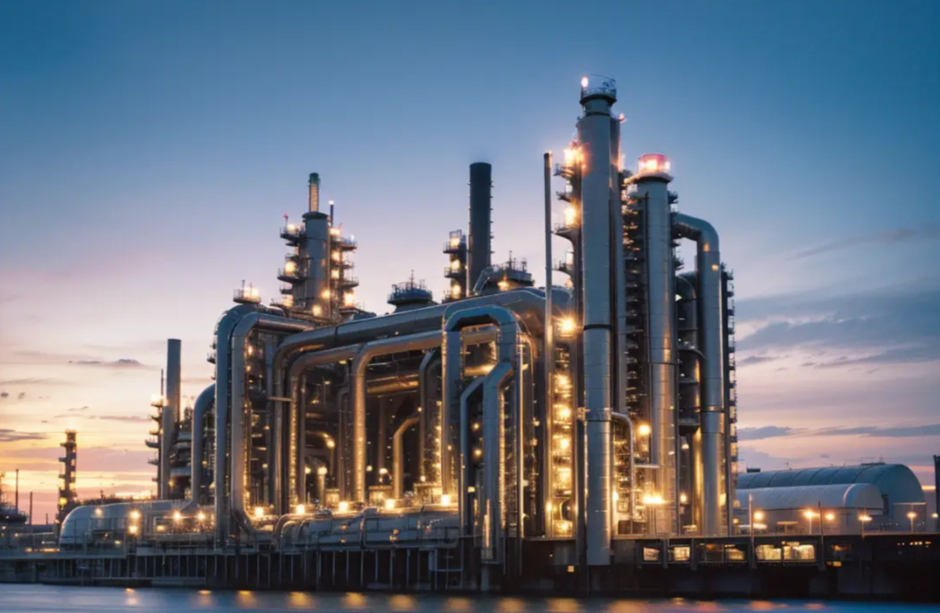
2.3 Oil refining and petrochemical industry

Valve requirements: hydrocracking gate valve, catalytic cracking slide valve, reforming control valve.

Technical challenges: hydrogen-exposed conditions (hydrogen embrittlement protection), high-temperature sulfur corrosion, and catalyst particle wear.

Typical applications: high-pressure separator in hydrogenation unit, flue of catalytic cracking regenerator, hydraulic decoking valve in delayed coking unit.


2.4 LNG receiving terminal and liquefaction plant

Valve requirements: ultra-low temperature ball valve, butterfly valve, check valve (-196℃).

Technical challenges: maintaining toughness of cryogenic materials (austenitic stainless steel/aluminum alloy), and preventing leakage (wide explosion limit of LNG).

Typical applications: LNG tank inlet and outlet, shut-off before vaporizer, loading skid control valve.


Chemical Engineering and New Materials

an image

Chemical Engineering and New Materials

3.1 Chlor-Alkali Chemical Industry

Valve requirements: fluorine-lined butterfly valve, fluorine-lined ball valve, titanium globe valve.

Technical challenges: resistance to pitting corrosion caused by wet chlorine gas, resistance to strong oxidizing properties of hypochlorite, and prevention of vacuum deformation.

Typical applications: chlorine gas pipeline at the outlet of electrolytic cells, regulation of dechlorination towers, and shut-off of hydrochloric acid synthesis furnaces.


3.2 Polysilicon and photovoltaic materials

Valve requirements: bellows-sealed globe valve, high-purity ball valve, ultra-pure PFA-lined valve.

Technical challenges: trichlorosilane (TCS) is flammable and explosive when exposed to water, requires zero external leakage, and poses a challenge due to particulate matter washout.

Typical applications: feeding of cold hydrogenation reactors, recovery of tail gas from reduction furnaces, and side-line adjustment of distillation columns.


3.3 Caprolactam and new nylon materials

Valve requirements: Jacket valve (steam tracing), knife gate valve, self-cleaning regulating valve.

Technical challenges: easy crystallization (crystallization occurs when the temperature is below 80℃), blockage by particulate matter, and frequent cleaning requirements.

Typical applications: crystallizer discharge, centrifuge feeding, dryer hot gas cutoff.


3.4 Coal Chemical Industry (Coal-to-Olefins/Coal-to-Oil)

Valve requirements: lock hopper valve (ball valve), wear-resistant angle valve, black water regulating valve.

Technical challenges: wear from high-hardness ash (containing SiO₂, Al₂O₃), gas-liquid-solid three-phase flow, and flash corrosion.

Typical applications: gasifier slag removal system, scrubber black water circulation, shift converter temperature regulation.


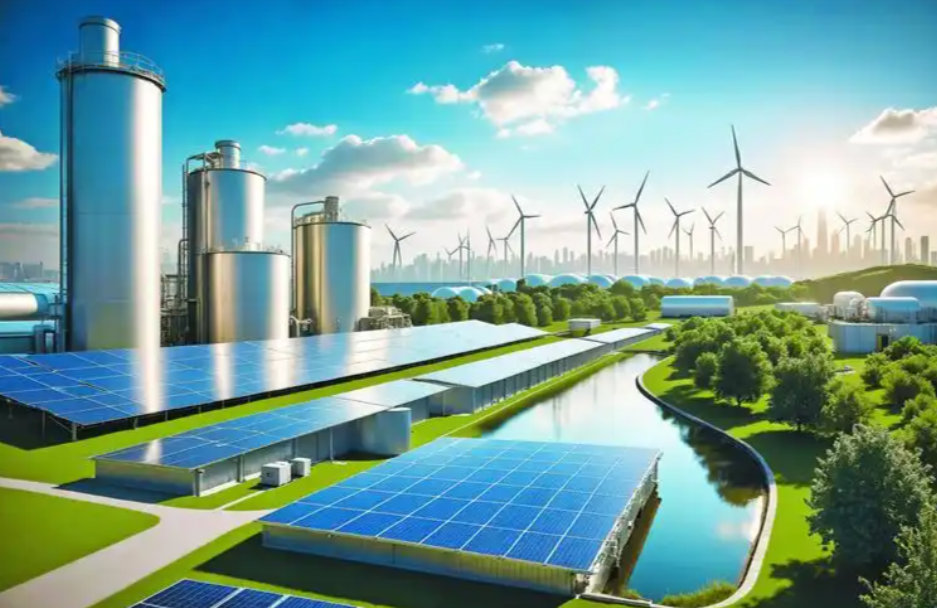
Hydrogen energy and new energy

an image

Hydrogen energy and new energy

4.1 Hydrogen refueling station (35/70MPa)

Valve requirements: high-pressure ball valve, needle valve, check valve, overflow valve, pneumatic emergency shut-off valve.

Technical challenges: resistance to hydrogen embrittlement (material selection, such as 316L, Inconel 718), high-pressure sealing (metal hard sealing), and rapid response (<1 second).

Typical applications: inlet and outlet of hydrogen compressor, shut-off of hydrogen storage cylinder group, flow control of hydrogen refueling machine.


4.2 Liquid hydrogen storage and transportation (-253℃)

Valve requirements: cryogenic ball valve, cryogenic globe valve, vacuum jacketed valve.

Technical challenges: austenite stability at ultra-low temperatures (preventing martensitic transformation), adiabatic design (reducing evaporation rate), and seal embrittlement.

Typical applications: Liquid hydrogen storage tank outlet pipe, tanker loading and unloading interface, gasifier inlet.


4.3 Hydrogen production through PEM water electrolysis

Valve requirements: ultrapure water valve, back pressure valve, oxygen-side hydrogen prevention valve.

Technical challenges: high-potential oxidative corrosion (anode), hydrogen permeation, and ionic contamination control (release of metal ions).

Typical applications: inlet and outlet of deionized water, pressure regulation of hydrogen separators, and safety shut-off on the oxygen side.


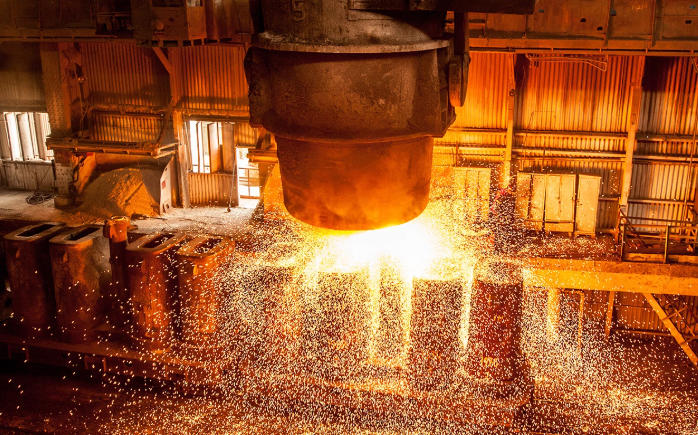
Metallurgy and Heavy Industry

an image

Metallurgy and Heavy Industry

5.1 Blast furnace ironmaking

Valve requirements: hot air valve, cold air valve, reverse air valve, gas shut-off valve.

Technical challenges: Resistance to high temperatures of 1200℃ (water-cooled structure), resistance to dusty flue gas erosion, and large diameter (DN2000+).

Typical applications: inlet of hot blast stove dome, main blast furnace gas pipe cutoff, and pre-adjustment of dust collector.


5.2 High-pressure water descaling for steel rolling

Valve requirements: high-pressure water descaling valve (ball valve or angle valve), check valve, accumulator quick-action shut-off valve.

Technical challenges: Withstand water hammer impact exceeding 30MPa, high-frequency opening and closing (several times per minute), and wear resistance (iron oxide scale particles).

Typical applications: control before the descaling box nozzle, outlet of high-pressure pump, and isolation of accumulator.


5.3 Alumina production (Bayer process)

Valve requirements: slurry valve (knife gate valve or eccentric hemispherical valve), alkali-resistant ball valve, three-way reversing valve.

Technical challenges: resistance to high-temperature alkali solution (NaOH concentration 250-300g/L), prevention of scarring (with smooth interior and no dead spaces), and resistance to erosion (alumina particles).

Typical applications: feeding of leaching units, discharge of underflow from settling tanks, and circulation regulation of decomposition tanks.


Naval Architecture and Marine Engineering

an image

Naval Architecture and Marine Engineering

6.1 LNG carrier (membrane type/spherical tank type)

Valve requirements: ultra-low temperature ball valve (-163℃), vacuum insulation valve, emergency shut-off valve (ESDV).

Technical challenges: adapting to ship body sway (inclination of 22.5°), vibration durability, and low-temperature sealing (to avoid BOG leakage).

Typical applications: liquid cargo tank inlet and outlet, re-liquefaction system pipelines, loading arm connection valves.


6.2 Offshore drilling platforms (semi-submersible/jack-up)

Valve requirements: Blowout Preventer (BOP) hydraulic control valve, seawater lift valve, mud gate valve.

Technical challenges: resistance to seawater chloride stress corrosion, explosion-proof (ATEX/IECEx), and resistance to typhoon impact.

Typical applications: water-separation system cutoff, ballast tank adjustment, and drilling fluid circulation pipeline.


6.3 Deep-sea oil extraction (underwater production system)

Valve requirements: subsea ball valve (ROV operation), subsea gate valve, subsea throttle valve.

Technical challenges: withstanding hydrostatic pressure at a water depth of 3000 meters (30MPa), hydrate inhibition (temperature control/alcohol injection), and ROV interface compatibility.

Typical applications: main valve and wing valve of Christmas tree, subsea manifold end connection, emergency shut-off of flowline.